About me
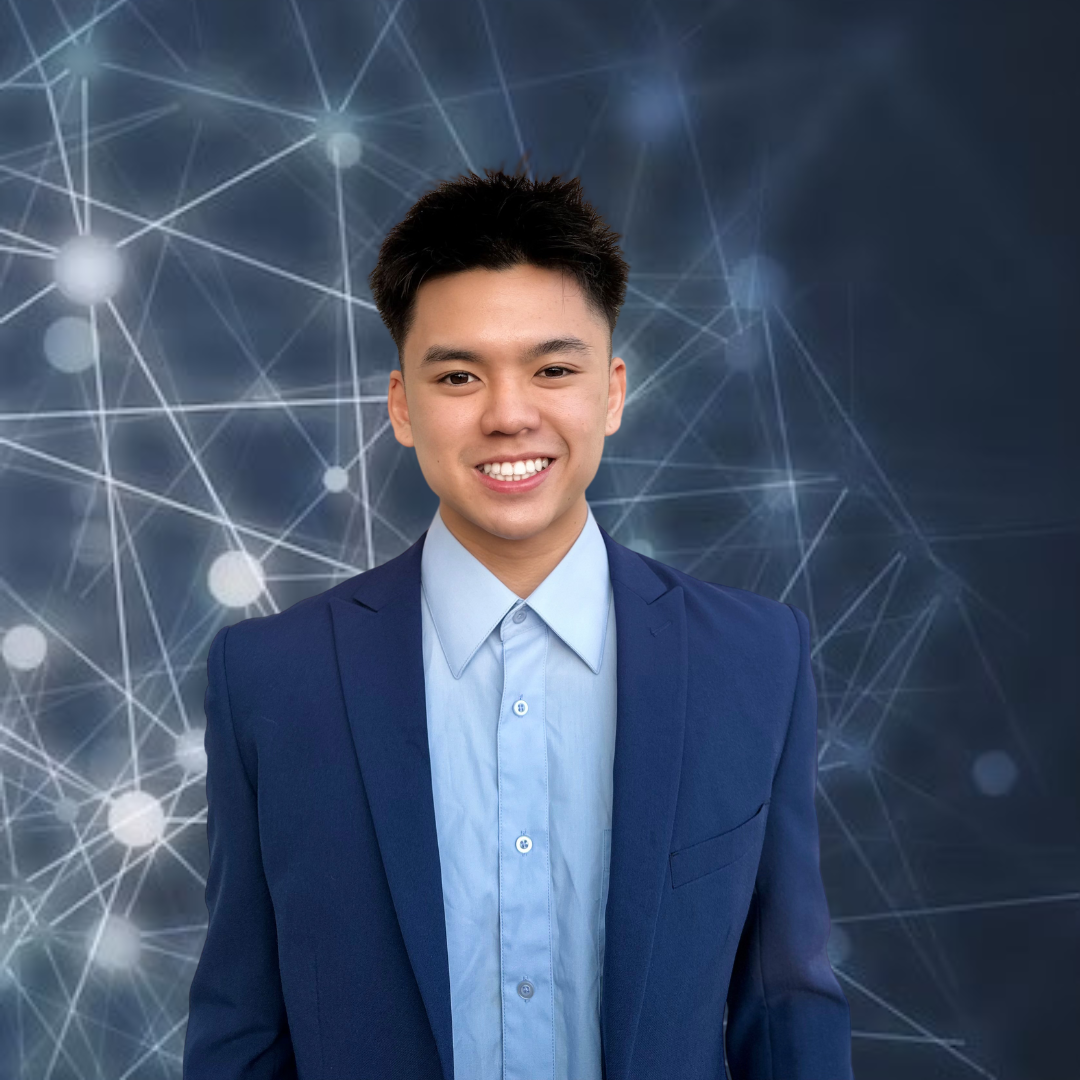
It started with a blinking LED and a moment of pure disbelief.
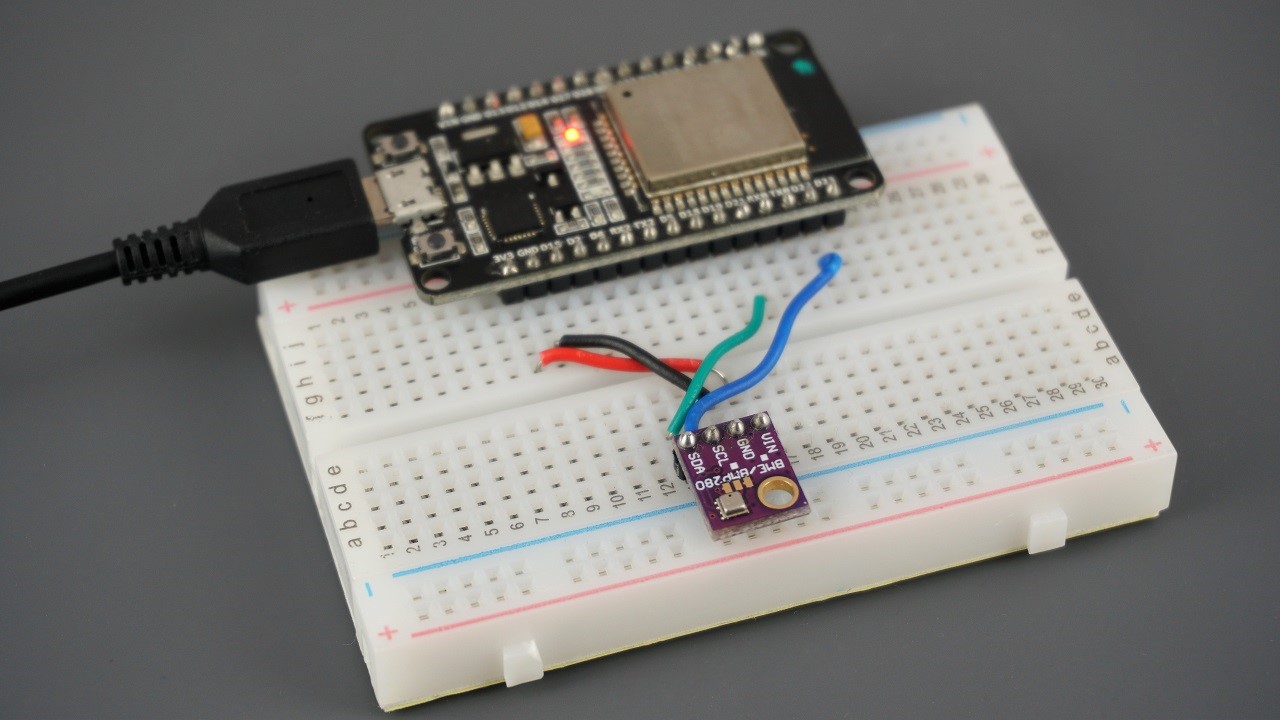
Freshman year of high school, I wired up my first Arduino project: an ultrasonic distance sensor (HC-SR04) paired with a DHT11 temperature and humidity sensor, feeding live readings into a servo motor that would physically rotate to reflect environmental changes in real-time. When the system responded to my hand moving through the air (the servo sweeping), the
serial monitor updating in milliseconds, I felt a sense of alignment with the physical hardware. Not just intellectually, but almost spiritually. I had made something inert come alive. A handful of wires, resistors, and C-style code had become a system that felt the world. I was hooked instantly. I started staying after school to keep building with a few friends who were also passionate about electronics, such as PIR motion sensors triggering relay-controlled LEDs,
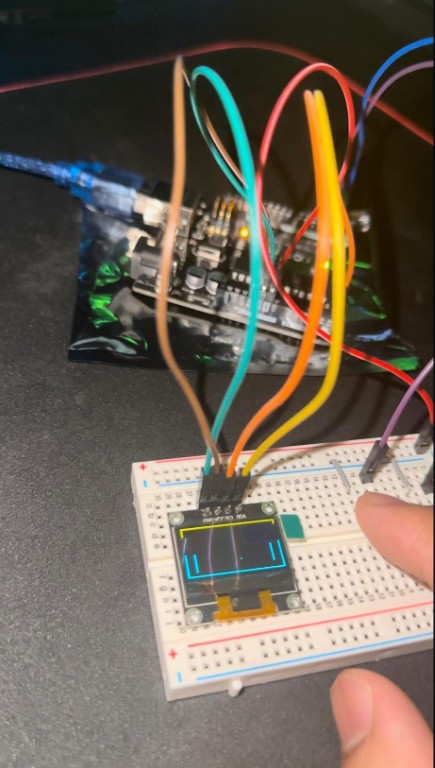
stepper motors running precise sequences, I²C OLED displays rendering live telemetry. Every project became a new experiment. That obsession never left me. It just grew more rigorous.
I am currently an AI Software Engineer Extern at Outamation.
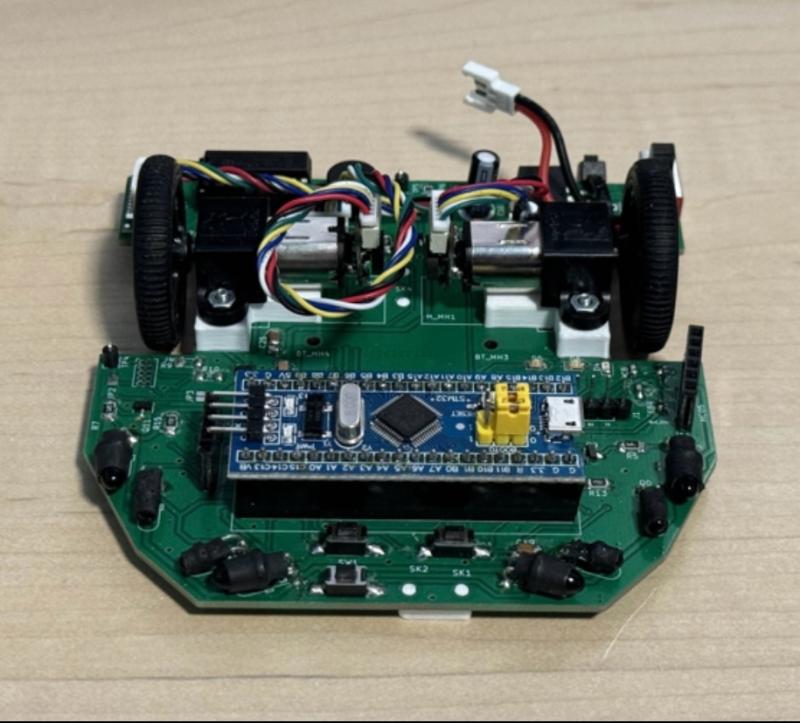
While my core expertise is in performance-critical embedded systems and firmware, I operate fluidly across the hardware/software stack. I’ve architected multi-threaded C/C++ systems, optimized communication and telemetry pipelines, and performed register-level debugging and signal validation at the hardware layer. I approach every system with an optimization-first mindset, tracing bottlenecks from memory and concurrency issues down to circuit-level constraints in order to deliver deterministic, end-to-end system performance.
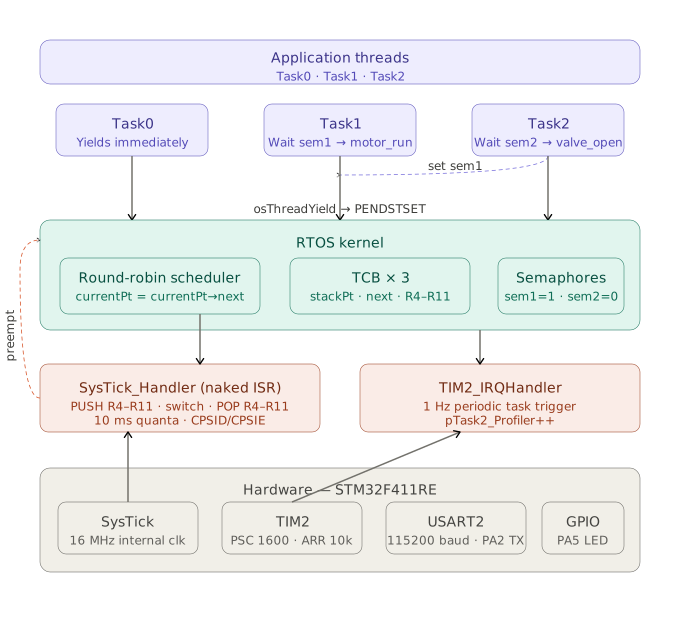
When building a system from scratch, I don't just write firmware or deploy models. I think in systems: how the data moves, where latency hides, what the interrupt handler or DMA controller is actually doing - instincts built from writing bare-metal drivers and designing RTOS task architectures where a missed deadline isn't just a warning, it's a catastrophic failure. Although my core expertise lies in bare-metal and RTOS-based C/C++ development, I’ve increasingly expanded my interest in Edge AI, applying the same performance-oriented mindset to data pipelines and model optimization. Want to see more? Check out the Projects section for detailed writeups, interactive demos, and a showcase of 20+ completed projects, with more on the way.
Beyond the linux terminal and logic analyzer, I find joy in activities such as playing pool, bowling, staying active at the gym, and occasionally expressing my passion for building and selling computers! I'm also on a mission to break 150 WPM on MonkeyType, because if you're spending your life on a keyboard, you might as well own it.